Toys from East Germany
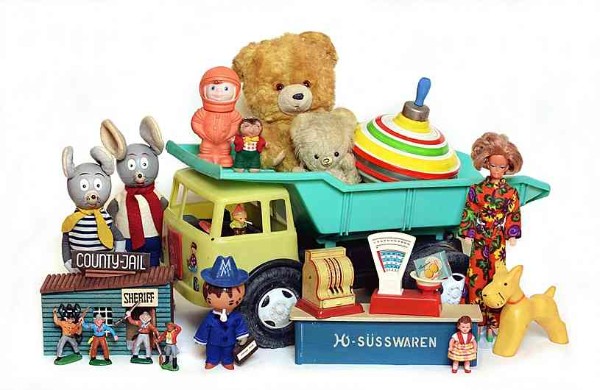
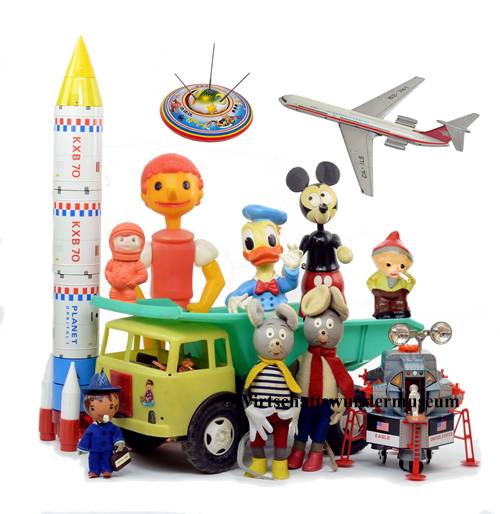
Toys produced in East Germany (official name: German Democratic Republic, or GDR for short) can also be found in various other sections of the virtual museum. On the one hand, a great many toys manufactured in the socialist GDR found their way into “capitalist foreign countries” as a welcome source of foreign currency, so they ended up intermingling anyway; on the other hand, a girl in West Germany would have cooked a “little soup” for her doll on her toy stove just as a girl in East Germany would have. These pages therefore primarily feature toys that existed in this form only in the “workers’ and peasants’ state.”
It is certainly interesting to see the extent to which the ideologies of the various systems are reflected in children’s rooms. What stands out in the capitalist West, for example, is the presence of many well-known companies in the toy industry, whether in the form of a wide variety of play store sets from well-known brand manufacturers or cars and trains featuring corresponding advertising prints. In the East, on the other hand, greater emphasis was placed on conveying political messages. So here are a few typical GDR toys.
©Text/Photos: Jörg Bohn / VG Wort Wissenschaft
What was the Palast der Republik
- What It Was: Constructed in East Berlin between 1973 and 1976 on the site of the former Prussian City Palace, the Palast der Republik served as the seat of the East German parliament (Volkskammer). However, it was primarily a grand public community hub, featuring concert halls, restaurants, art galleries, a theater, a bowling alley, and a disco.
- Symbolic & Cultural Impact: It was the architectural showcase of East German state pride and modernism. Citizens affectionately (and humorously) dubbed it “Erich’s Lamp Shop” (Erichs Lampenladen) because of the thousands of glowing glass globes illuminating its main foyer.
- Demolition & Legacy: Following German reunification, the building was closed in 1990 due to asbestos contamination and ultimately demolished between 2006 and 2008—a decision that sparked intense debate over Cold War heritage and memory. Today, the reconstructed Humboldt Forum (Prussian City Palace) stands in its place.
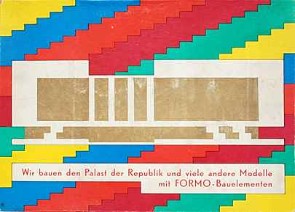
Packaging Variations of the “Palast der Republik” Set
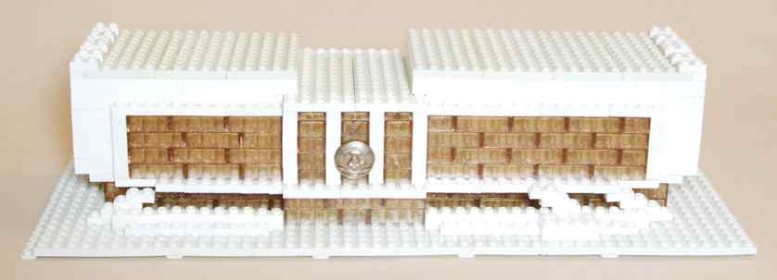
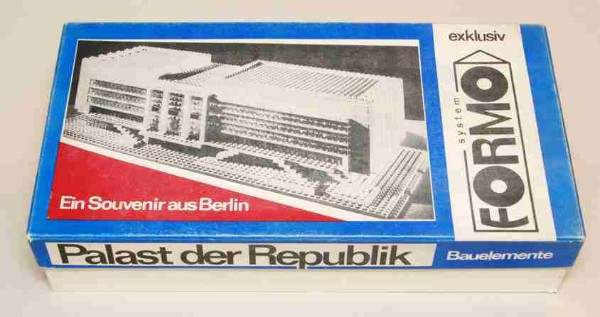
The original packaging variations of the Palast der Republik building set reveal a few puzzles of their own.
The large blue box (47 x 25 x 10 cm) contains a generous surplus of building bricks—estimating roughly, building the PdR model requires barely two-thirds of the total contents. Interestingly, the photo on the cover illustrates a larger-scale version of the Palace than the one detailed in the included instructions. Yet, ironically, the set still doesn’t contain enough bricks to replicate the larger model pictured on the box…
While those questions remain unanswered, new ones emerge: I recently managed to acquire the set in the smaller, brightly printed alternative box (35 x 25 x 4,5 cm) pictured alongside it, which contains fewer pieces.
While the blue “Souvenir aus Berlin” box retailed at an official consumer price of 49.00 M (East German Marks), the smaller printed box was available for just 22.00 M. Perhaps the pricier blue set was specifically targeted at well-to-do tourists looking for a grand keepsake?
Annaberg Puzzles: Modern Motifs in East German Playrooms
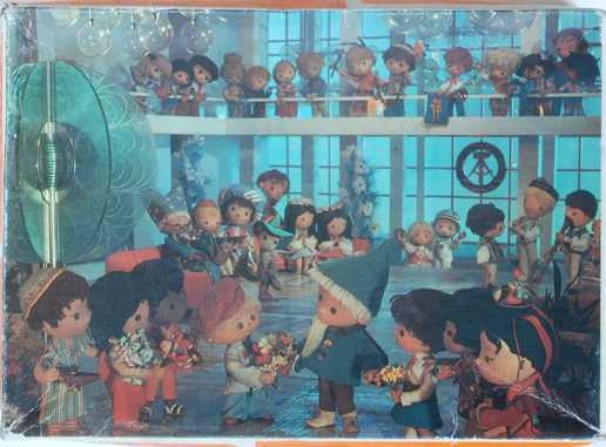
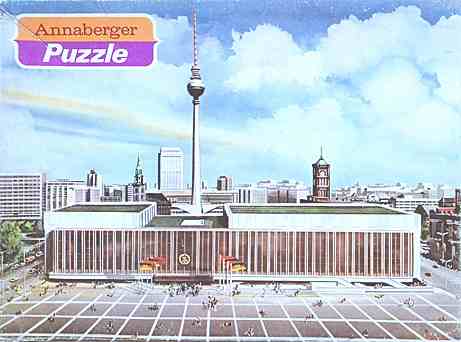
Two iconic 500-piece jigsaws manufactured by VEB Annaberger Pappe highlight how East German pop culture and state achievements were brought into everyday domestic life.
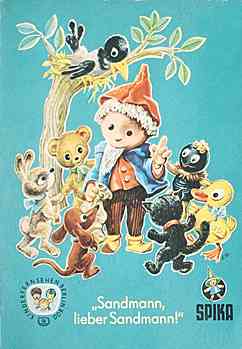
“Sandmann im Palast der Republik” (Sandman in the Palace of the Republic): This set depicts Unser Sandmännchen—the beloved East German stop-motion bedtime character—visiting the grand foyer of the Palast der Republik. By placing a gentle, cherished children’s figure inside the state’s modern architectural crown jewel, the illustration seamlessly blended popular children’s entertainment with civic pride.
Annaberger Puzzle No. 6707 – “Palast der Republik”: A classic photo puzzle capturing the building’s distinctive bronze-tinted glass façade and modern design against the East Berlin skyline, showcasing the complex as a symbol of socialist progress and architectural ambition.
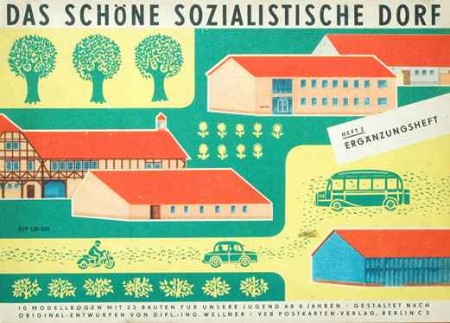
“Das schöne sozialistische Dorf – 10 Modellbogen mit 23 Bauten für unsere Jugend” (“The Beautiful Socialist Village – 10 model sheets with 23 structures for our youth”), VEB Postkarten Verlag Berlin, 1962:
“With the establishment of the Agricultural Production Collectives (LPG) in our workers’ and peasants’ state, the prerequisites have been created to carry out the transformation of our villages, thereby securing a better life and a higher standard of living for the rural population.”
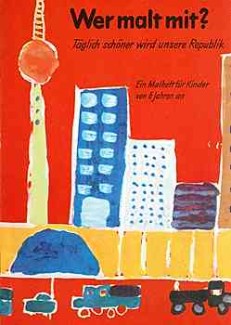
“Wer malt mit? Täglich schöner wird unsere Republik” (“Who’s coloring along? Our Republic grows more beautiful by the day”) – “A coloring book for children ages 6 and up” (likely 1970):
This activity book integrated East German civic propaganda into early childhood recreation, encouraging young children to color scenes illustrating state modernization, infrastructure progress, and collective achievements across the GDR.
The Image of Women in East Germany
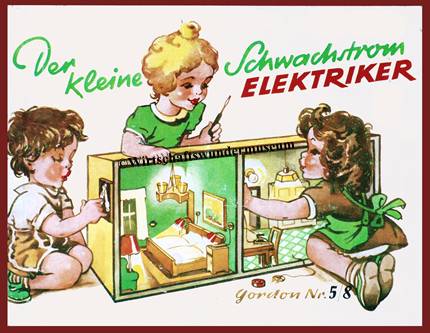
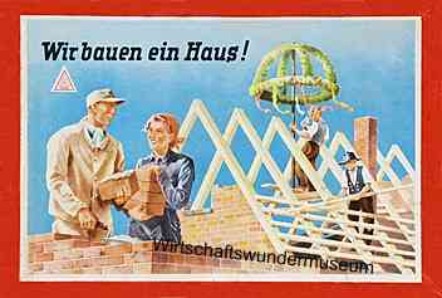
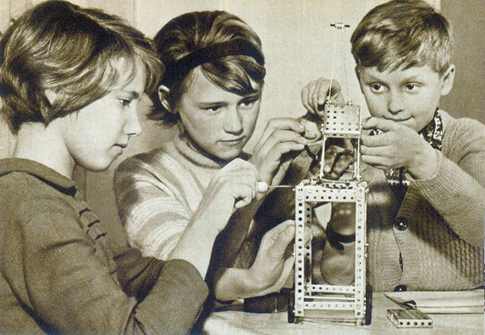
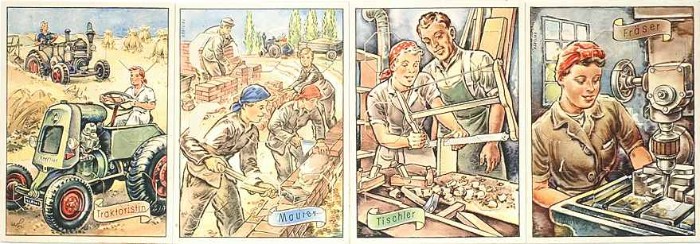
The girl does it herself! – In the GDR, the push for emancipation began as early as childhood (Why and how this came about—and whether the state did so out of altruistic concerns for gender equality or with the ulterior motive of training as many workers as possible to achieve the highest possible productivity—is a topic we won’t delve into further here). In any case, on a similar toy box in West Germany, a girl holding a screwdriver would have been unthinkable. There, “big brother” would certainly have been the one to wire the dollhouse. – In the dice-based board game “Wir bauen ein Haus” (“We’re Building a House”) from 1954, women in “typical men’s jobs” are a matter of course. For example, on the game board, you encounter “Erika the glazier, who is already installing windows” as you pass by, and on space 73, “Hilde, who is installing a stove.”
Outstanding design in the toy sector
Iconic GDR Design: The “Schaukelwagen”
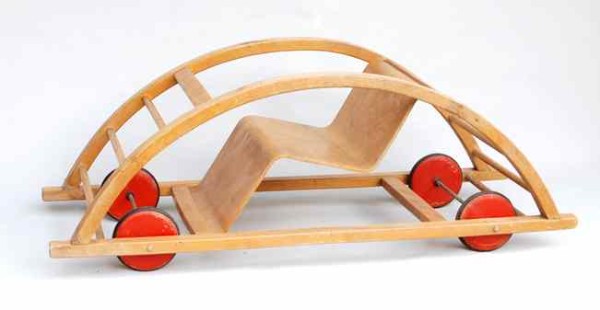
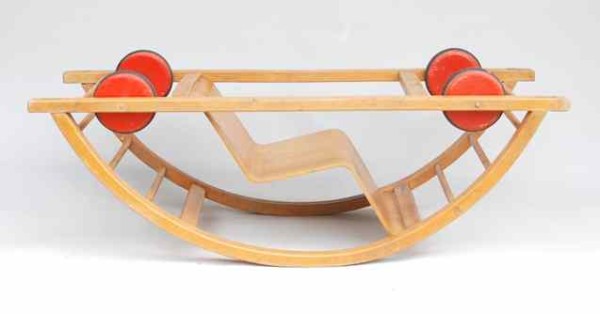
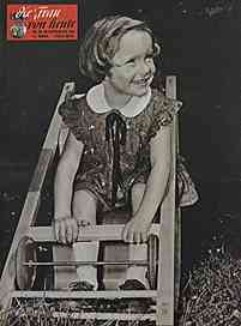
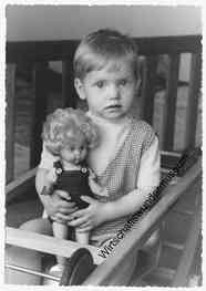
One of the most famous examples of outstanding East German toy design: The “Schaukelwagen” (Rocking Car), based on a 1950 design by Hans Brockhage. The piece was originally created as a student project at the Academy of Fine Arts Dresden (with structural collaboration by Erwin Andrä) under the supervision of the renowned architect and designer Mart Stam.
(Source: Heinz Hirdina, “Gestalten für die Serie – Design in der DDR 1949 – 1985”)
Context Note for Readers: Brilliant Multifunctionality
What makes Brockhage’s design so celebrated in international design history—and eventually earned it a place in the Museum of Modern Art (MoMA)—is its ingenious dual function:
Two Toys in One: When placed with the curved beechwood frame facing down, it functions as a classic rocking boat/car for young children.
Flip it Over: Turned 180 degrees onto its rubberized wooden wheels, it instantly transforms into a sleek, functional ride-on car (Rutscher).
Timeless Aesthetic: Combining bent plywood with a minimalist frame, it perfectly embodied the Bauhaus principle of functional, durable, and space-saving design for modern living.
GDR Media Criticism of Distribution Bottlenecks
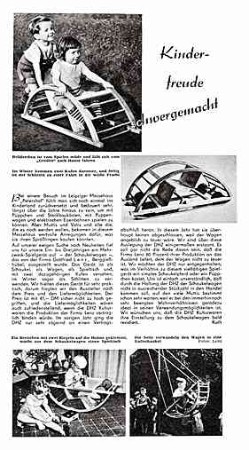
Context Note for Readers: State Distribution Failure vs. Export FocusThis passage offers a rare and fascinating glimpse into public criticism published in East German media regarding the socialist planned economy:
The Monopoly Bureaucracy (DHZ): The Deutsche Handelszentrale held absolute authority over retail distribution. If bureaucrats deemed an item too expensive or unnecessary, it simply never reached store shelves—regardless of consumer demand. Export over Domestic Supply: The article highlights a key GDR dilemma: high-quality consumer goods were routinely exported to Western markets for foreign hard currency (the 80% export rate), leaving East German mothers empty-handed. Housing Reality: The mention of “cramped living conditions” reflects post-war GDR housing shortages, where space-saving, multi-functional furniture and toys were essential for urban families.
The Accordion Cat “LIBA”
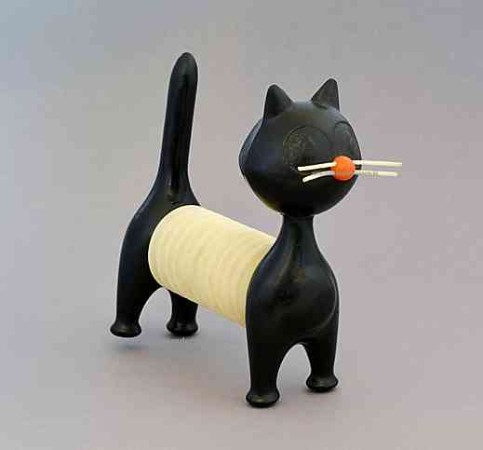
This “accordion cat” was a highly popular toy in East Germany. Its body could be pulled apart and compressed just like the bellows of an accordion. Named “Cat LIBA,” it was designed by the renowned Czech designer Libuše Niklová and manufactured by the company Fatra in Czechoslovakia.
Context Note: A Mid-Century Plastic Icon
Cross-Border Success: Manufactured in neighboring Czechoslovakia, many of Libuše Niklová’s iconic accordion animals were widely imported into East Germany, becoming staple playthings for a generation of GDR children.
Innovations in Plastic: Niklová (1934–1981) was a pioneer in plastic toy design. Her patented flexible accordion body allowed children to bend, squeeze, and stretch the cat, making a subtle squeaking sound as the air moved through the bellows.
Design Classic: Today, Niklová’s playful, minimalist animal creations are celebrated globally as classics of mid-century modern toy design and are featured in major museums worldwide.
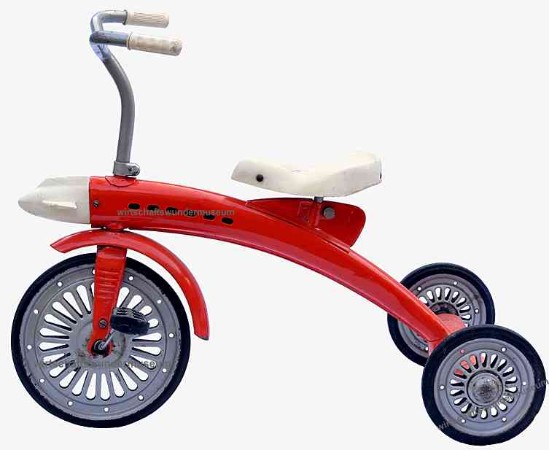
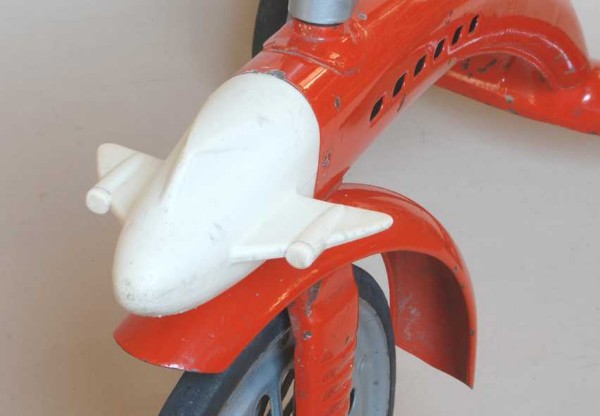
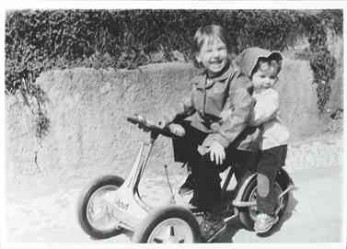
Streamlined GDR Tricycle Design
An example of outstanding East German design: A tricycle featuring a sleek, streamlined aesthetic, as showcased in the Spring/Summer 1966 Konsument mail-order catalog:
“Tricycle, highly sturdy, pleasing design, red-lacquered pressed sheet steel frame, MDN 51.00”
Context Note: Currency and Mail-Order Culture
MDN Currency: “MDN” stands for Mark der Deutschen Notenbank, which was the official name of the East German currency from 1964 to 1967 before being renamed simply Mark der DDR (M).
Konsument Versandhaus: Headquartered in Leipzig, Konsument was the GDR’s state-run mail-order department store. Catalogues allowed citizens across the country to order household goods, clothing, and toys directly to their homes.
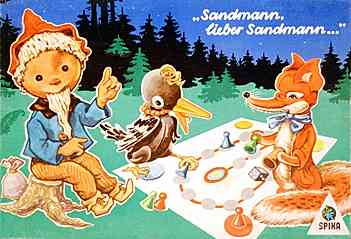
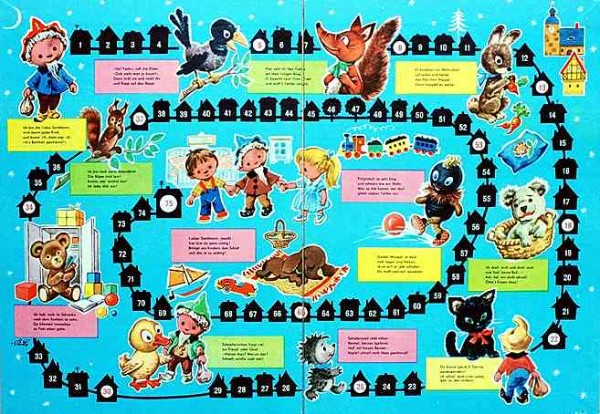
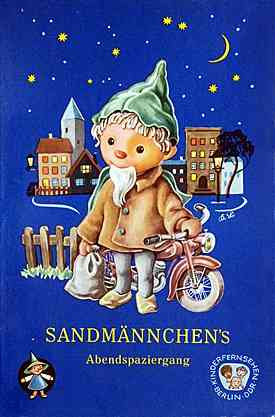
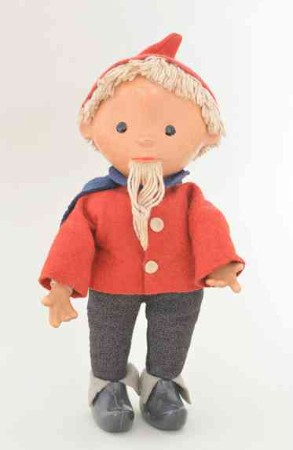
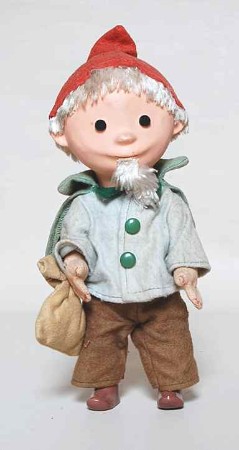
Sandmann
Context Note: Cold War TV Rivalry & A Cultural Survivor
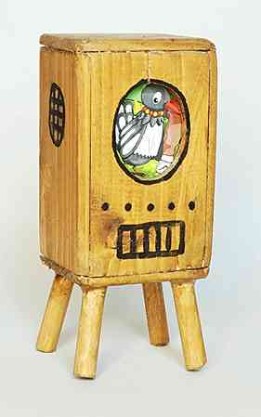
The TV War of the Sandmen: In 1959, upon hearing that West German television was developing a bedtime character based on Hans Christian Andersen’s sandman, East German TV rushed its own puppet into production, airing Unser Sandmännchen just days before its Western rival. Beloved Icon of Modernity: Every evening, the East German Sandman arrived in various futuristic, industrial, or exotic vehicles—from rockets and trabants to hovercrafts—introducing a short stop-motion film before sprinkling gold dust to send children off to sleep. Outlasting the Regime: While West German television eventually cancelled its version in 1989, the East German Sandman remains on the air to this day as one of the few cultural institutions to survive German reunification intact.
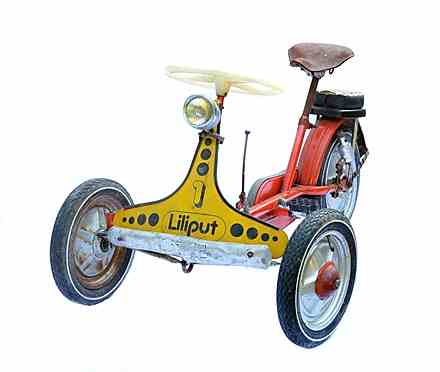
Liliput Dreirad
Context Note: Industrial Mandates and Park Rental Culture
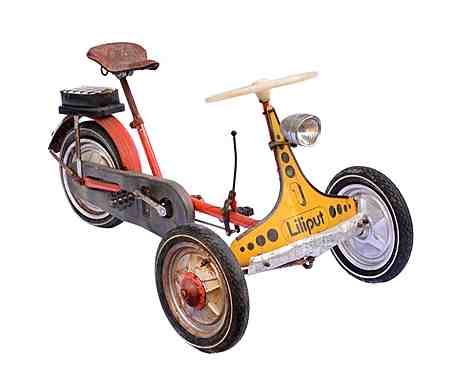
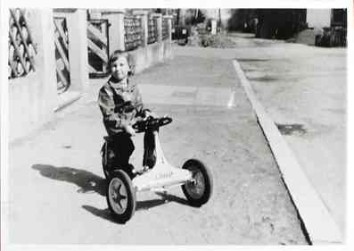
Consumer Goods Production Mandate: In the GDR, industrial enterprises primarily focused on heavy manufacturing or specialized machinery were legally required by the state to dedicate a portion of their capacity to producing civilian consumer goods (Konsumgüterproduktion), which is how high-quality items like metal tricycles came to be manufactured by industrial plants. Park Rental Stations (Vermietstationen): Because durable consumer items were not always readily available for private purchase or suited for small apartments, city parks, youth centers, and holiday resorts operated state-run rental booths where families could rent tricycles, pedal cars, and sports equipment for an afternoon.
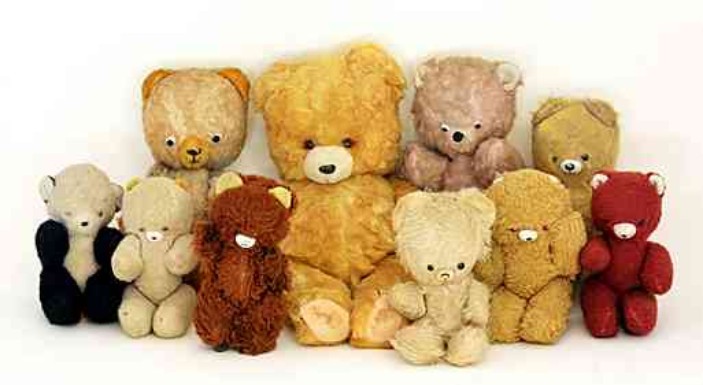
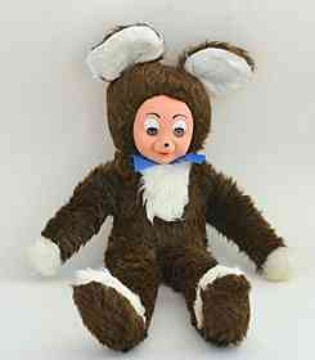
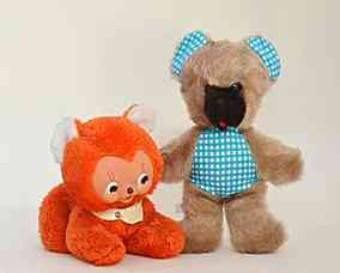
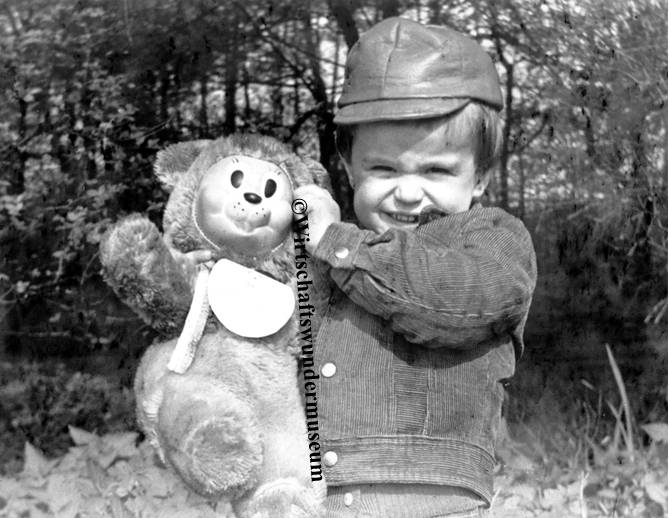
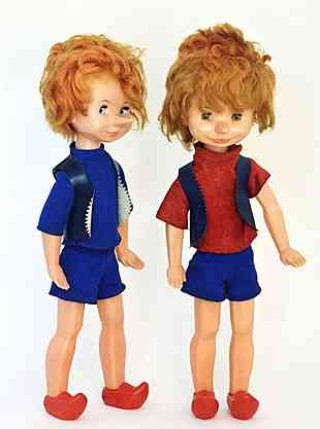
Typical toys from East Germany
Context Note: GDR Toy Aesthetics and Material Choices
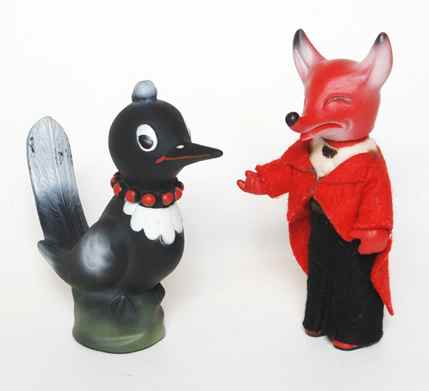
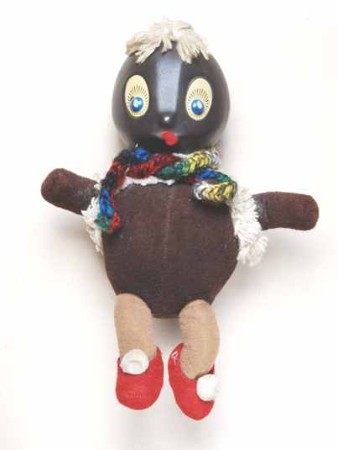
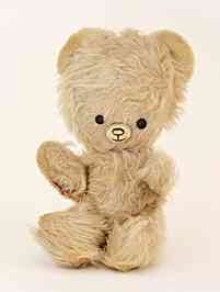
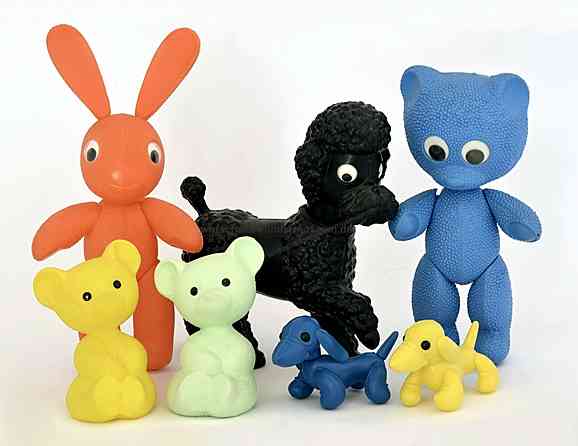
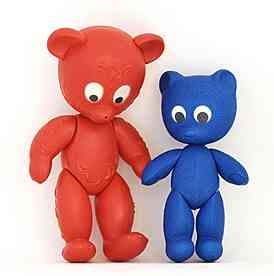
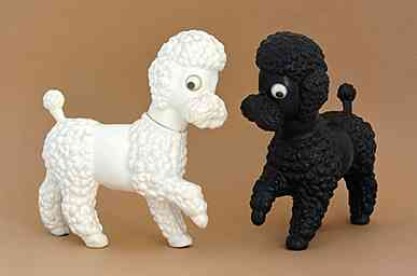
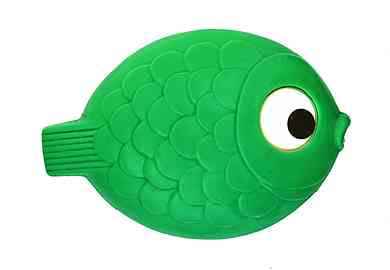
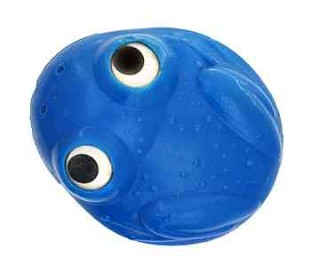
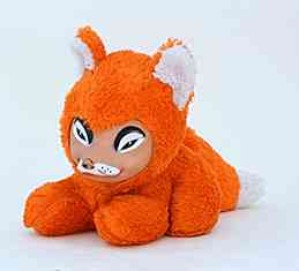
Unique Proportion & Design: Plush animals with exaggerated, oversized heads and soft vinyl or hard plastic faces (Gummigesichter) were a defining stylistic trend in East German toy manufacturing from the 1960s through the 1980s. Synthetic Innovation: To meet high production targets amid material shortages of natural fibers like mohair, East German state enterprises utilized vibrant synthetic furs, soft vinyl molded faces, and snap-in plastic eyes. Nostalgic Appeal: While these distinct designs differed sharply from classic Western teddy bears, they acquired a unique charm that remains deeply tied to East German childhood nostalgia (Ostalgie).
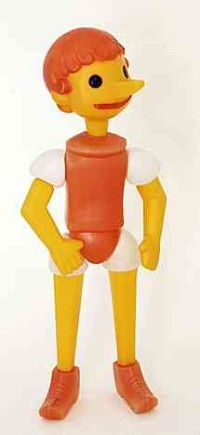
Der Burattino bzw. Buratino (italienisch: Hampelmann, Kasperle) ist das von Alexei Nikolajewitsch Tolstoi in dem Kinderbuch “Die Abenteuer des Burattino oder das goldene Schlüsselchen” geschaffene russische Gegenstück zu Carlo Collodis Pinocchio.
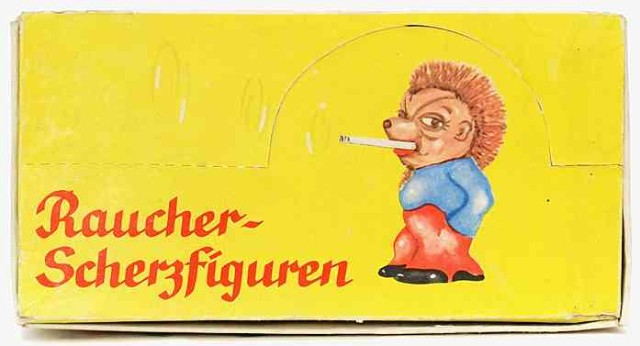
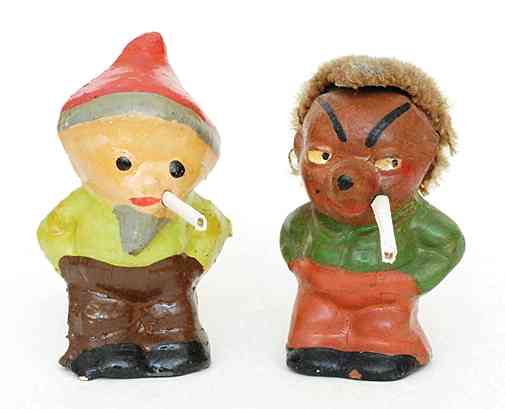
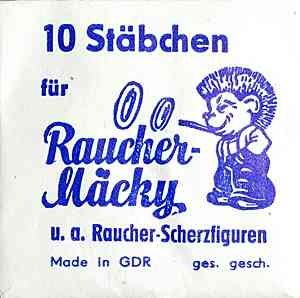
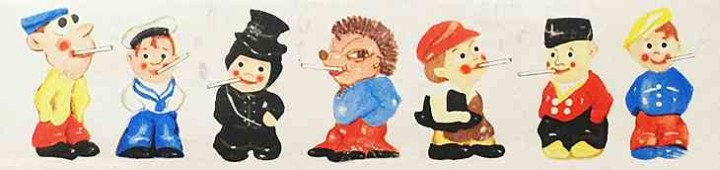
Raucher-Mäcky
Context Note: Miniatures and Incense Traditions
Miniature Novelty Trend: Popular in mid-century Central European toy culture, small novelty figures (Scherzfiguren) often used tiny incense cones (Räucherkerzen) or mini cigarettes to produce real smoke through a hollow mouth opening. Culture Shift: Transforming gentle, wholesome children’s TV idols like Unser Sandmännchen or popular comic figures into gritty, smoking figurines captures a quirky and humorous edge of East German pop culture product designs.
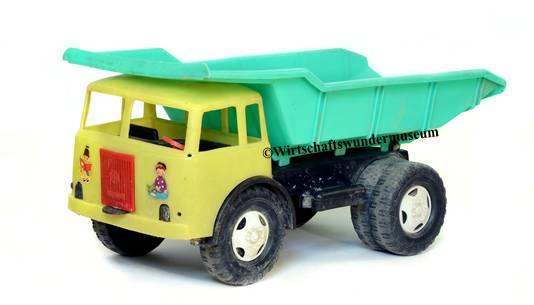
IFA W50 Kipper
Context Note: The Legendary Workhorse in Miniature
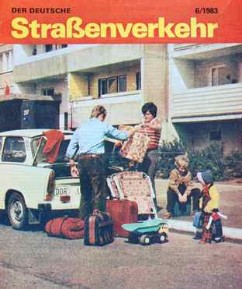
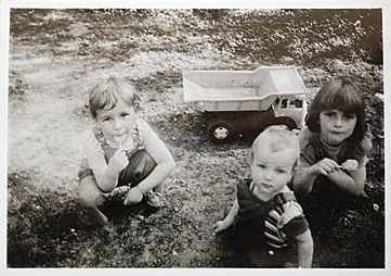
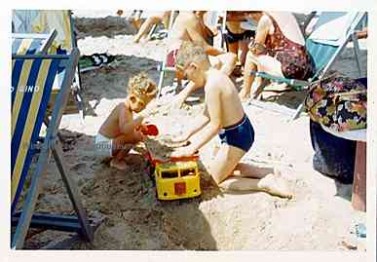
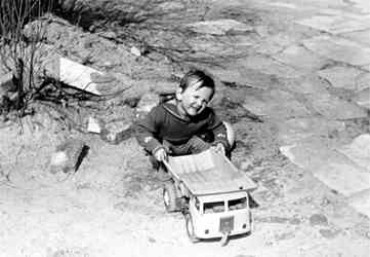
Iconic GDR Truck: The IFA W50 was the quintessential heavy utility vehicle of East Germany, omnipresent on construction sites, farms, and highways across the Eastern Bloc from the mid-1960s onward. Large-Scale Play: Measuring around two feet long, this heavy-duty toy tipper truck allowed children to load and transport real sand, stones, and earth, making it a prized outdoor and beach toy for GDR families. Cultural Significance: Being featured on the cover of prominent motoring publications like “Der deutsche Straßenverkehr” underscores how deeply automotive pride and heavy machinery culture were embedded in East German everyday life and childhood recreation.
Ideology
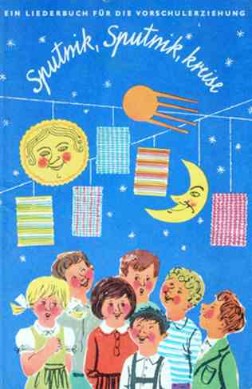
East German Propaganda Songs for Preschoolers
Context Note for Readers: Ideological Education and Space-Age Ideology
Preschool Indoctrination: In the GDR, state ideology and civic values were introduced at a very early age through music, storytelling, and play in kindergartens (Vorschulerziehung). Cosmonaut Heroes: The Soviet Space Race successes—celebrating Sputnik, Vostok, and pioneering cosmonauts Yuri Gagarin and Gherman Titov—were heavily integrated into children’s culture as symbols of technological superiority and socialist progress. Militarization in Childhood: Songs praising the Nationale Volksarmee (NVA / National People’s Army) aimed to foster a sense of patriotic duty, pride in military defense, and early trust in armed forces from early childhood.
Context Note for Readers: The Dual Reality of GDR Everyday LifeThese first-hand accounts illustrate a defining hallmark of East German society—the coexistence of official state ideology with private everyday life:
The Pragmatic Use of Material: Songbooks and educational tools produced in the GDR were often hybrid works. Teachers selectively used the timeless folk classics while quietly ignoring the political propaganda sections. Western Media as a Cultural Counterweight: Despite official state censorship, Western television (Westfernsehen) was widely watched across most of the GDR. It served as a major cultural outlet, shaping popular discourse, playground conversations, and childhood memories. Generational Shift: While political conformity was strictly enforced during the 1950s and 1960s, the late 1970s and 1980s saw a more relaxed atmosphere where Western pop culture and TV commercials were openly acknowledged among children and young adults.
Context Note for Readers: Militarization of Childhood Play
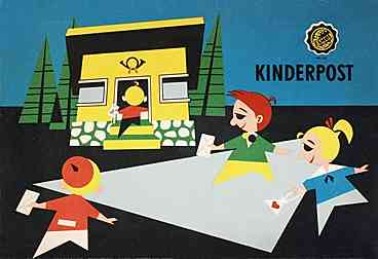
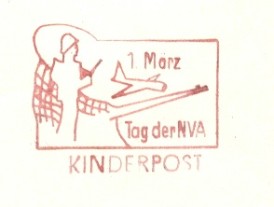
Toy Ink Stamps (Kinderpost): Play post office sets were immensely popular pretend-play toys across Europe, allowing children to play cashier, stamp envelopes, and deliver mail. Political Infiltration of Play: In the GDR, even mundane role-play toys were leveraged for civic education. Featuring the Nationale Volksarmee (NVA / National People’s Army) on a child’s toy stamp subtlely integrated state military institutions into everyday childhood games. Commemorative Culture: The “Day of the National People’s Army” (celebrated annually on March 1st) was a major state observance in East Germany, designed to foster early respect, pride, and familiarity toward the armed forces among young citizens.